Camarasaurus supremus
Discover the Physical Features, Fossil Discoveries and Prehistoric World of Camarasaurus
Camarasaurus was a large, plant-eating dinosaur that lived in North America during the Late Jurassic Period, approximately 155 to 145 million years ago. Its name means “chambered lizard,” referring to the hollow spaces within its vertebrae, or backbone bones. These air-filled chambers helped reduce the weight of its skeleton while maintaining the structural support needed for its enormous body. Depending on the species and individual, Camarasaurus could reach approximately 18 metres in length and weigh several tonnes, with the largest individuals potentially approaching 20 tonnes. It moved on four sturdy legs and had a bulky body, a long neck, and a powerful tail. Compared with some other long-necked sauropods, such as Diplodocus, Camarasaurus had a shorter neck and a more compact body structure, giving it a distinctive appearance among the giant herbivores of its time.
One of the most recognizable features of Camarasaurus was its relatively short, broad skull. Unlike the elongated, narrow heads of certain other sauropods, its skull had a rounded snout and large openings that made it comparatively lightweight. Its strong, spoon-shaped teeth were well suited to grasping, stripping, and cutting plant material. This dental structure allowed the dinosaur to feed on a variety of vegetation, including leaves and other plant parts. However, Camarasaurus probably swallowed much of its food without extensive chewing, as its teeth were not designed for grinding vegetation in the same way that the teeth of many modern herbivores are. Fossil evidence has revealed stones associated with the digestive systems of some sauropods. These stones, known as gastroliths, may have helped process swallowed food, although their precise role in Camarasaurus remains uncertain. Its long neck enabled it to reach vegetation at different heights, while its strong limbs supported its heavy body as it travelled in search of food.
The discovery of Camarasaurus fossils began in the nineteenth century. In 1877, fossil specimens were collected in Colorado by Oramel W. Lucas, and the American palaeontologist Edward Drinker Cope formally named the dinosaur that same year. These discoveries contributed to the growing scientific understanding of the enormous dinosaurs that inhabited western North America during the Jurassic Period. Later excavations uncovered additional bones and more complete skeletons, allowing researchers to reconstruct its anatomy and investigate its lifestyle. One particularly important fossil locality is Dinosaur National Monument, situated near the Utah–Colorado border. This region has produced numerous dinosaur remains, including significant Camarasaurus specimens, and continues to be an important site for understanding prehistoric life. The discovery of both adult and juvenile fossils has also helped scientists investigate how these dinosaurs developed as they grew. Differences in the size, proportions, and structure of bones can provide clues about growth rates and changes in body shape throughout an individual's life.
Several species have been assigned to the genus Camarasaurus, including Camarasaurus supremus, Camarasaurus grandis, Camarasaurus lentus, and Camarasaurus lewisi. These species are distinguished through differences in their fossil remains, although their classification has been examined and revised by palaeontologists over time. Camarasaurus is particularly valuable to dinosaur research because its fossils are relatively abundant and include well-preserved skeletal material. This evidence provides an opportunity to study its body structure, feeding adaptations, and development in greater detail. As one of the best-known sauropods from the Late Jurassic, Camarasaurus offers important insights into the diversity of giant plant-eating dinosaurs and the ecosystems they inhabited millions of years ago.
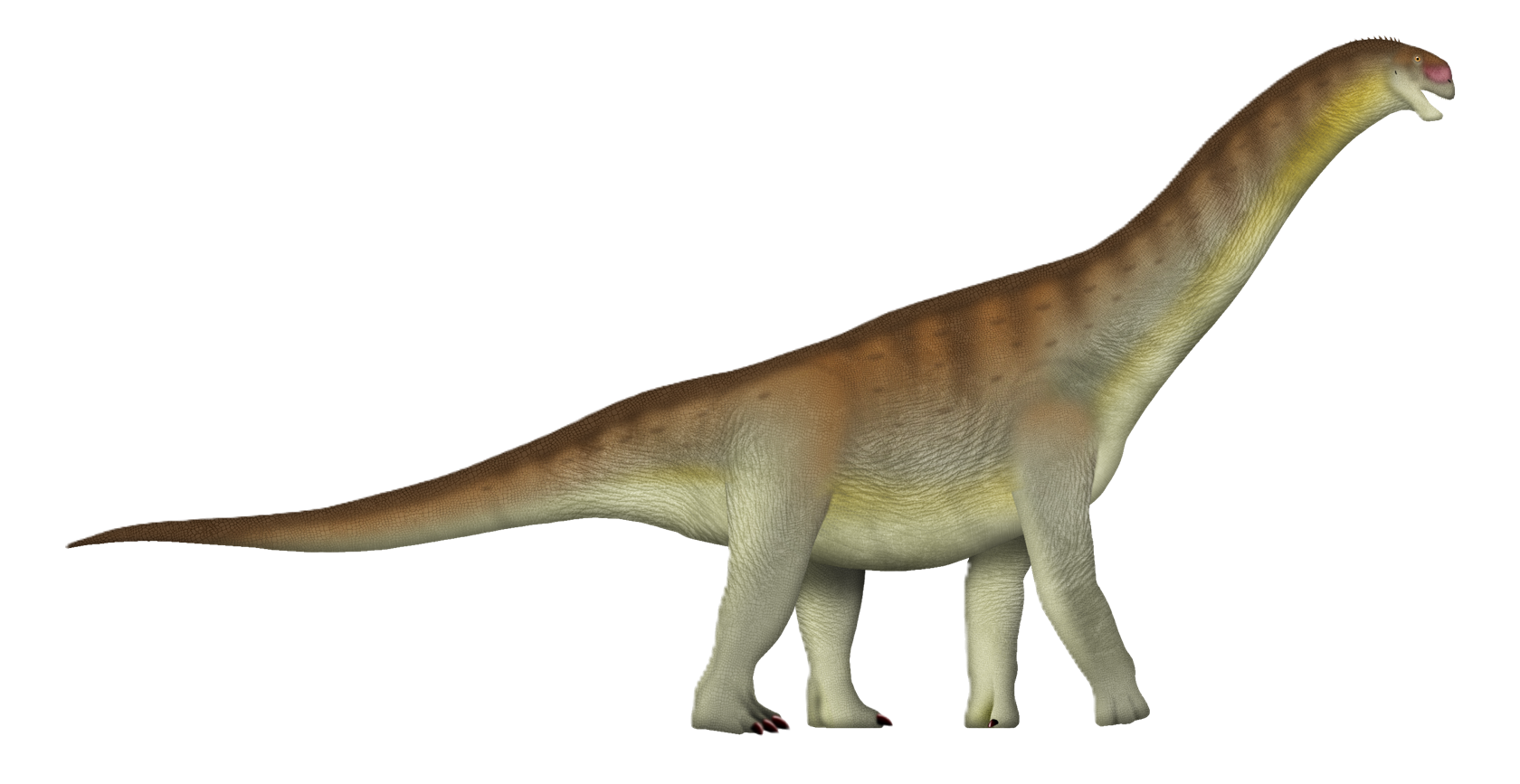
Camarasaurus lived in Colorado (USA).
Camarasaurus inhabited areas of what is now the western United States, particularly regions that form part of present-day Colorado, Utah and Wyoming. During the Jurassic Period, these landscapes included floodplains, river systems, woodlands and areas with abundant vegetation. Seasonal changes in water availability and plant growth influenced the environments in which these giant herbivores lived. Its fossil remains help scientists reconstruct the ancient ecosystems of western North America.
Taxonomy
Select a rank to explore where Camarasaurus fits in the classification.