Brachiosaurus altithorax
Explore Brachiosaurus, the enormous Jurassic sauropod known for its towering neck, unusually long front legs, massive body, and plant-eating lifestyle. Discover its fossils, discovery, habitat, and fascinating features
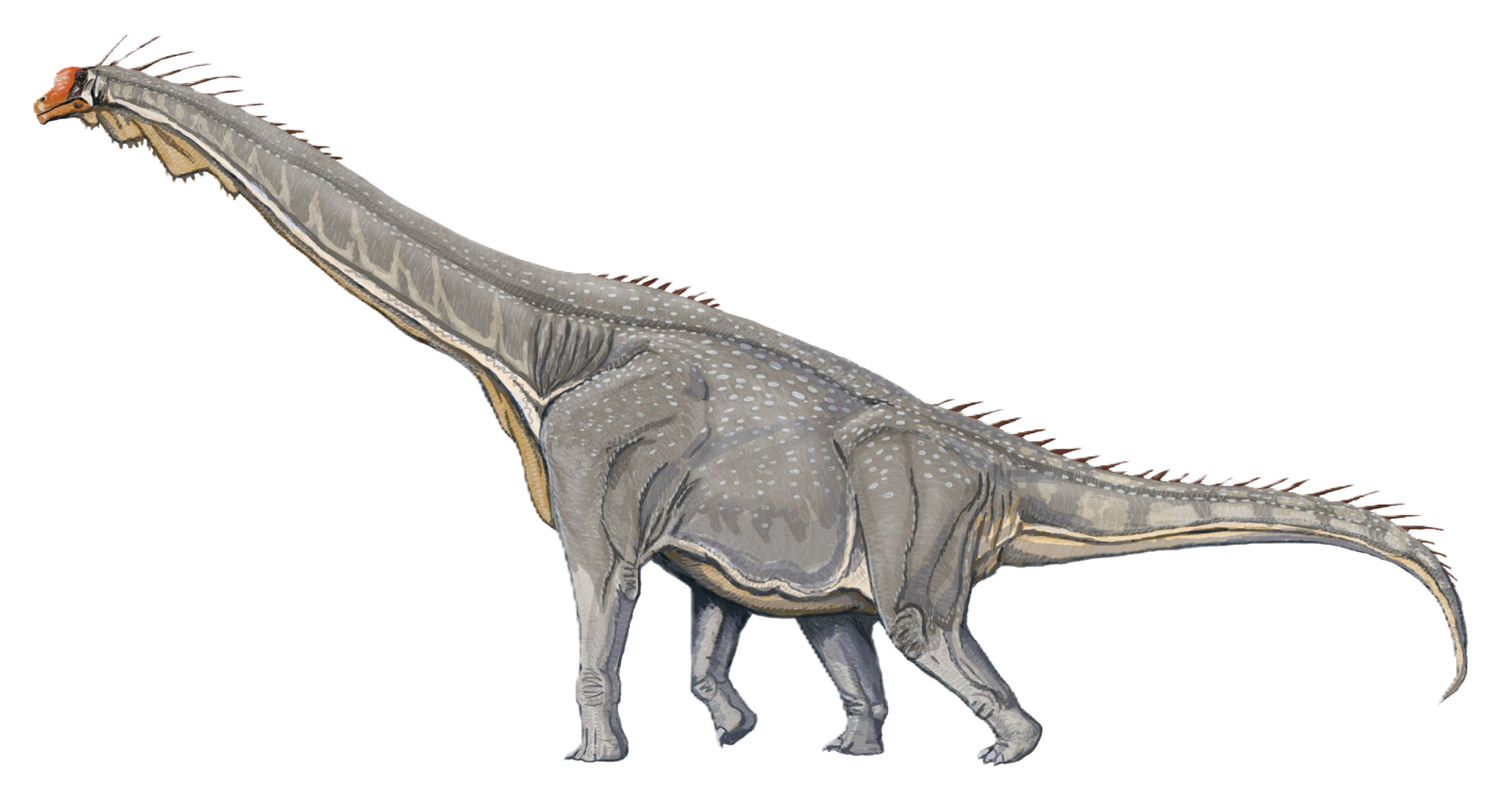
Brachiosaurus was a gigantic plant-eating dinosaur that lived during the Late Jurassic period, approximately 152–145 million years ago. Its name means “arm lizard,” referring to its unusually long front limbs, which were longer than its hind legs. The species originally described by paleontologists was named Brachiosaurus altithorax, meaning “deep-chested arm lizard,” in reference to its broad body structure. It belonged to the sauropod group, recognized by its enormous body, long neck, lengthy tail, and relatively small head. Brachiosaurus is estimated to have reached around 22 meters in length, although size estimates vary, and its weight may have approached 47 tonnes. Its most distinctive feature was its elevated shoulder region, which gave its body a sloping profile and allowed its neck to extend high above the ground. Unlike many other sauropods, its front legs were longer than its hind legs, creating a body shape that made it particularly recognizable.
Brachiosaurus was discovered in 1900 by American paleontologist Elmer S. Riggs during an expedition in western Colorado, United States. Recognizing that the remains represented an unfamiliar type of sauropod, Riggs formally described and named the dinosaur in 1903. The fossils included large vertebrae, limb bones, and portions of the pelvis, providing important evidence of its unusual proportions. However, the original skeleton was incomplete, so scientists have had to use comparisons with related sauropods to reconstruct its overall appearance. Another important development in its scientific history involved fossils discovered in Tanzania, Africa, which were once assigned to Brachiosaurus. These African remains are now classified as Giraffatitan brancai, a closely related but distinct sauropod. This distinction matters because many familiar illustrations and models historically portrayed Brachiosaurus using the better-preserved African skeleton, meaning some popular reconstructions do not accurately represent the North American species.
Brachiosaurus inhabited environments that included floodplains, woodlands, and areas rich in vegetation. During the Late Jurassic, these landscapes supported a variety of plant-eating dinosaurs, predators, and other prehistoric animals. As a herbivore, Brachiosaurus likely consumed substantial quantities of plant material to sustain its enormous body. Its long neck may have helped it reach vegetation growing above the ground, including foliage on taller trees, although the exact height at which it usually fed remains uncertain. Its teeth were suited to cropping and stripping plant material rather than thoroughly grinding food. Like other sauropods, it probably swallowed much of its food with limited chewing and relied on its digestive system to process the vegetation.
Supporting such a massive body required strong limbs and a robust skeleton. Its column-like legs helped distribute its weight, while its long tail contributed to the overall balance of its body. Its elevated head and neck also influenced how scientists understand its feeding behaviour, although researchers continue to investigate the range of movements its neck could perform. Brachiosaurus shared its Jurassic ecosystem with other sauropods and large theropods, including Allosaurus, a formidable meat-eating dinosaur. The immense size of a fully grown Brachiosaurus would have discouraged many potential predators, although younger individuals were likely more vulnerable. Its combination of exceptional height, distinctive limb proportions, and enormous body makes it one of the most recognizable sauropods and an important example of the remarkable diversity of dinosaurs that flourished during the Jurassic period.
Brachiosaurus lived in Colorado (USA), Utah (USA), Wyoming (USA).
Brachiosaurus lived in what is now western North America, particularly the region of Colorado in the United States, where its original fossils were discovered. Its environment featured open landscapes interspersed with vegetation and freshwater sources. Seasonal changes influenced the availability of plants and water across its habitat. These ancient ecosystems supported numerous dinosaur species that occupied different ecological roles.
Taxonomy
Select a rank to explore where Brachiosaurus fits in the classification.