Bonapartenykus ultimus
Discover Bonapartenykus ultimus, a small alvarezsaurid dinosaur from Late Cretaceous Argentina, and explore its discovery, estimated size, possible diet, fossil evidence, and prehistoric habitat
Bonapartenykus was a small theropod dinosaur that lived in South America during the Late Cretaceous, approximately 72–66 million years ago. Its scientific name, Bonapartenykus ultimus, honours the Argentine paleontologist José F. Bonaparte, who made important contributions to the study of South American dinosaurs. It belonged to the alvarezsaurid family, a specialized group of theropods known for their distinctive body proportions and unusual forelimbs. Although many famous theropods were large predators, alvarezsaurids generally had smaller bodies and developed adaptations that may have helped them exploit different food sources. Bonapartenykus is estimated to have measured around 2.5 meters in length, although its exact dimensions and weight remain uncertain because the fossil record is incomplete. Like other theropods, it walked on two hind legs. Its forelimbs may have served specialized purposes, but their precise structure is not fully understood from the available remains. Some related alvarezsaurids possessed short arms, reduced fingers, and enlarged claws, features that scientists associate with specialized feeding behaviour.
However, these characteristics cannot automatically be attributed to Bonapartenykus without sufficient direct fossil evidence. The dinosaur was formally described in 2012 by paleontologists Federico Agnolín, Jaime Powell, Fernando Novas, and Martin Kundrát. Its fossils were discovered in the Allen Formation in Río Negro Province, Patagonia, Argentina. This geological formation preserves evidence of a diverse Late Cretaceous ecosystem and has contributed significantly to the understanding of prehistoric life in southern South America. One particularly interesting aspect of the Bonapartenykus discovery was the presence of fossilized eggs near bones attributed to the dinosaur. Their proximity raised questions about possible reproductive behaviour and the identity of the animals that produced them. Nevertheless, finding eggs close to skeletal remains does not prove that they belonged to the same species. Further research has expanded scientific knowledge of Bonapartenykus, including studies of its skeletal anatomy. A scientific paper published in 2025 provided additional information about its skeleton and vertebrae, helping researchers investigate its physical characteristics and evolutionary relationships. Such studies are important because even incomplete fossils can reveal useful details about how extinct animals were built and how they differed from related species.
During its lifetime, Bonapartenykus inhabited ancient Patagonia, where rivers, floodplains, and vegetated landscapes supported a variety of prehistoric animals. Its environment contained both herbivorous dinosaurs and meat-eating species, creating a complex ecosystem with different feeding strategies. Bonapartenykus is generally considered a carnivore, but its precise diet remains uncertain because the available evidence does not adequately establish its feeding habits. Scientists compare it with other alvarezsaurids to explore what it might have eaten. Some members of this group are thought to have used their specialized claws to break into insect nests and access concealed prey, although this behaviour has not been confirmed in Bonapartenykus itself. Despite its relatively small size, Bonapartenykus was part of a diverse dinosaur community that included much larger herbivores and theropods. Its body size and possible feeding adaptations may have allowed it to use food resources different from those favoured by larger predators. The combination of its unusual evolutionary group, incomplete skeletal evidence, and nearby fossilized eggs makes Bonapartenykus an intriguing subject for paleontological research. Continued discoveries from Patagonia may eventually clarify its anatomy, diet, and place in the evolutionary history of alvarezsaurid dinosaurs.
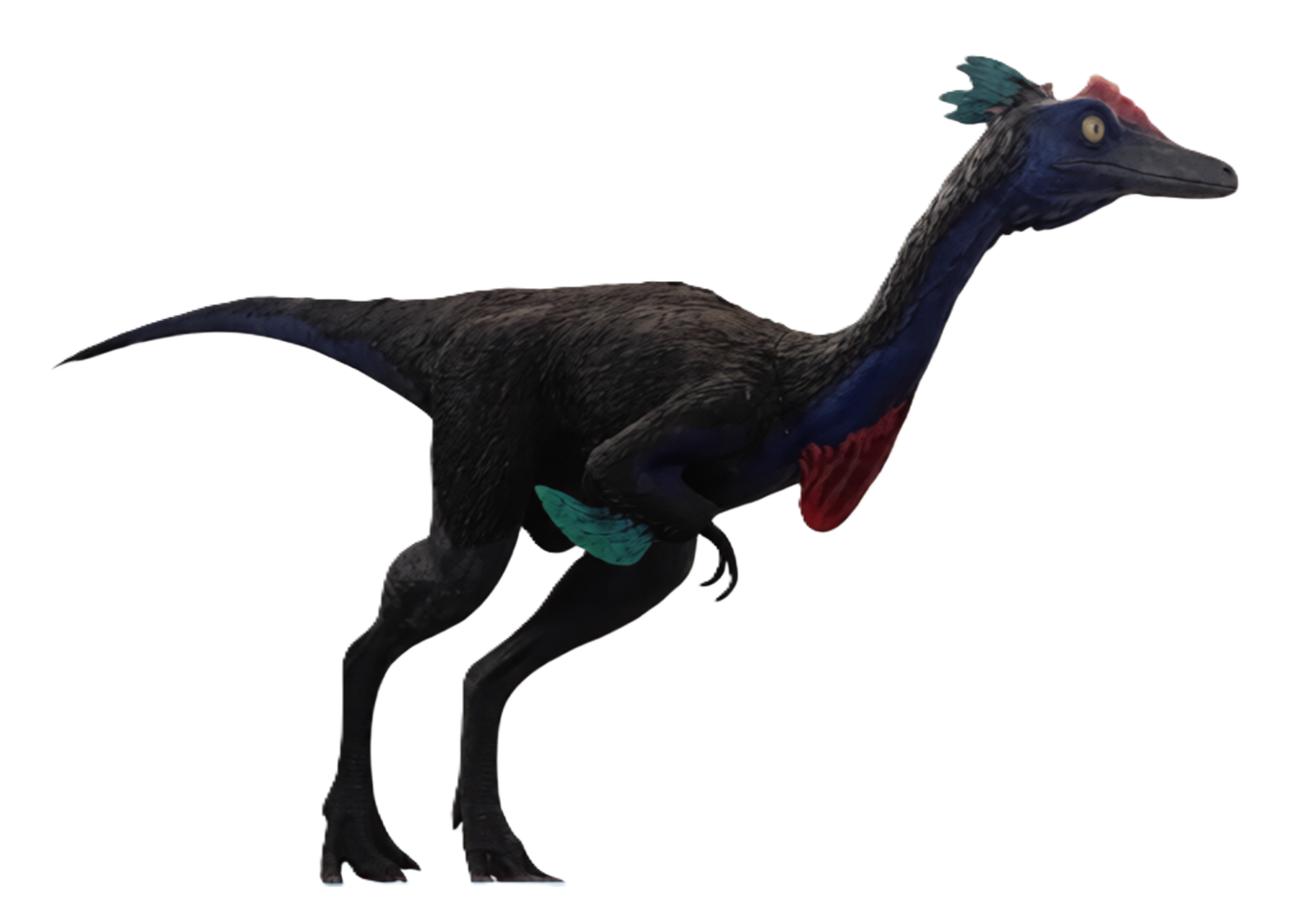
Bonapartenykus lived in Río Negro Province (Argentina).
Bonapartenykus lived in the southern part of ancient South America, in a region that now forms part of Argentina. During the Late Cretaceous, Patagonia was located at high southern latitudes and experienced environmental conditions different from those of today. Its surroundings supported diverse plant communities and numerous land-dwelling animals. Fossils from this region help scientists reconstruct the ecosystems that existed before the mass extinction that ended the Cretaceous period.
Taxonomy
Select a rank to explore where Bonapartenykus fits in the classification.