Balaur bondoc
Discover Balaur bondoc, the unusual Late Cretaceous dinosaur from Romania known for its stocky body, powerful hind limbs, and two enlarged claws on each foot
Balaur was an unusual theropod dinosaur that lived approximately 71 million years ago during the Late Cretaceous Period. Its scientific name, Balaur bondoc, combines a Romanian word for a mythical dragon with a term meaning “stocky” or “stout,” reflecting its compact build. Measuring approximately 2 metres in length, although its exact size remains uncertain, Balaur had a robust body, short, powerful hind limbs, and unusually broad feet. Its most distinctive feature was the presence of two enlarged, curved claws on each foot, unlike many related theropods, which typically had only one prominent claw. Although much smaller than giants such as Tyrannosaurus rex, Balaur has attracted considerable scientific attention because of its unusual anatomy and uncertain evolutionary relationships.
The fossils of Balaur were discovered in the Hațeg Basin of Transylvania, Romania, and the species was formally described in 2010. During the Late Cretaceous, this region formed part of an island environment in a European landscape dominated by islands separated by shallow seas. The known remains include bones from its limbs, hips, and spine, some of which show unusual features, including fused bones and strong, broad feet. These characteristics helped researchers distinguish Balaur from other theropods. However, the absence of a well-preserved skull and teeth limits what scientists can determine about its appearance, feeding habits, and behaviour. Continued study of its skeletal remains may help clarify its position in the dinosaur family tree.
Balaur inhabited an ancient island landscape that included floodplains, rivers, and vegetated areas, providing habitats for a variety of prehistoric animals. The isolation of the Hațeg region may have influenced the evolution of its wildlife, potentially encouraging distinctive adaptations compared with those of animals living elsewhere. When Balaur was first described, researchers considered it a close relative of Velociraptor and interpreted it as a predatory dinosaur. Later investigations challenged this view, suggesting that it might instead belong to a more primitive branch of the bird-related evolutionary lineage. Its precise classification remains debated, demonstrating how unusual anatomical features can complicate efforts to reconstruct evolutionary relationships. Scientists also have limited evidence about its diet. Although it may have hunted small animals, its incomplete remains do not establish whether it was primarily carnivorous or had a more varied diet.
Balaur remains an important subject in paleontological research because it illustrates the remarkable diversity of dinosaurs that inhabited prehistoric Europe. Its two enlarged claws on each foot, compact body, and powerful hind limbs distinguish it from many other small theropods and raise questions about how these features functioned. Researchers continue to investigate whether its anatomy reflects specialised adaptations to island life or an evolutionary history different from that initially proposed. The Hațeg Basin provides valuable evidence of how isolated environments may have influenced dinosaur evolution, although the specific effects on Balaur remain uncertain. By examining its distinctive skeleton alongside those of other dinosaurs and early birds, scientists can improve their understanding of prehistoric ecosystems, anatomical variation, and the complex evolutionary connections between non-avian dinosaurs and birds.
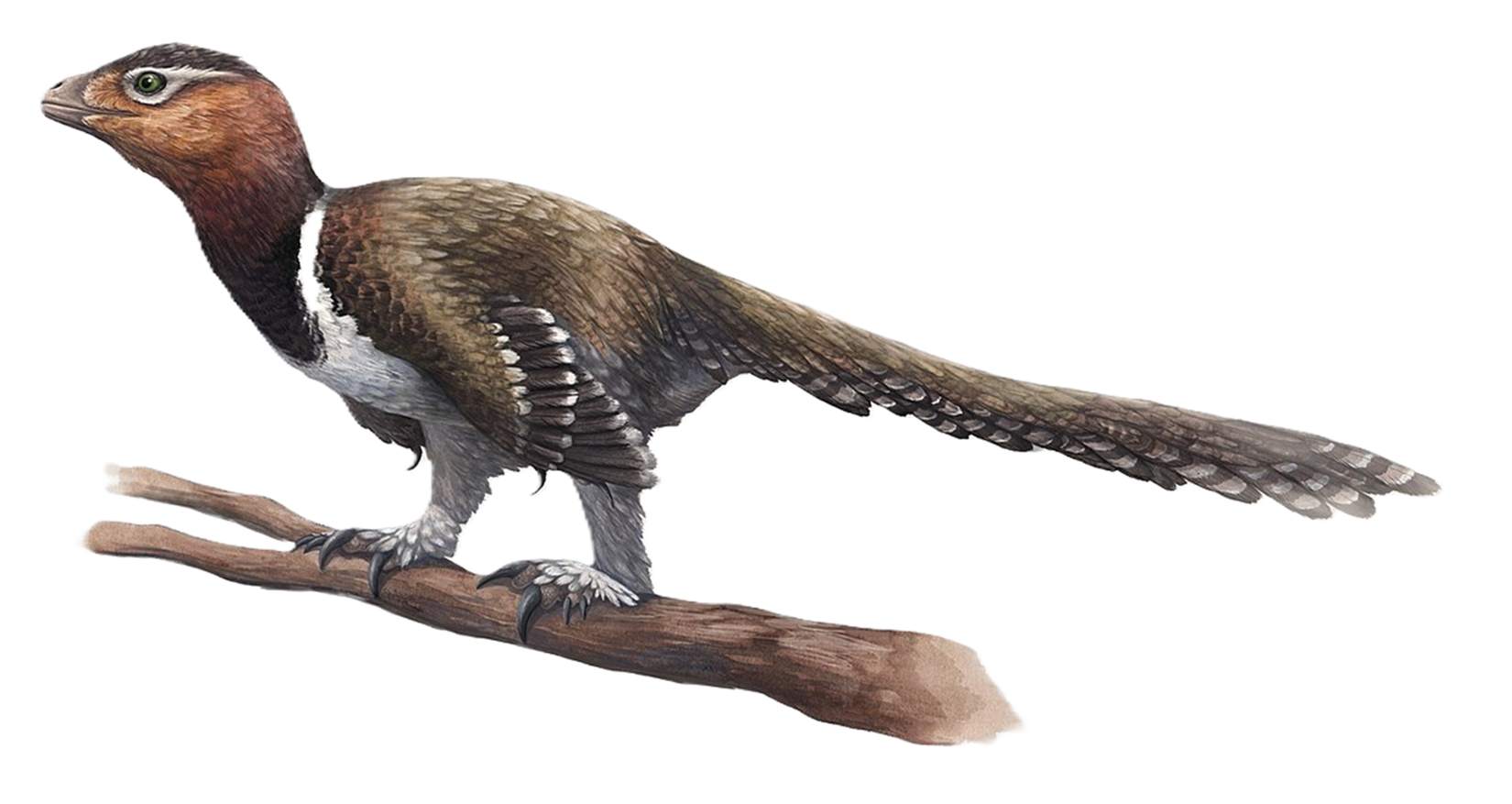
Balaur lived in Sebeș Formation (Romania).
Balaur lived in what is now Romania, in a warm region influenced by coastal conditions and a subtropical climate. The surrounding landscape supported diverse plant life, insects, and small vertebrates that formed part of a complex prehistoric food web. Its island surroundings may have limited the movement of animals between regions, allowing distinctive wildlife communities to develop. These environmental conditions provide important clues about life in Late Cretaceous Europe.
Taxonomy
Select a rank to explore where Balaur fits in the classification.