Atacamatitan chilensis
Discover Atacamatitan’s size, fossils, diet, habitat, and scientific significance in the history of Cretaceous dinosaurs in South America
Atacamatitan was a plant-eating sauropod dinosaur that lived in what is now northern Chile, South America, approximately 100 million years ago, during the Cretaceous Period. Its name means “Atacama titan,” referring to the Atacama Desert, where its fossils were discovered, while chilensis identifies Chile as the country of origin. This dinosaur belonged to the titanosaurs, a diverse group of long-necked, long-tailed herbivores that walked on four sturdy legs. Atacamatitan is estimated to have reached about eight metres in length, making it smaller than some of the enormous members of its group but still a substantial animal. Its long neck likely helped it reach vegetation at different heights, while its broad body and strong limbs supported its weight. Like other sauropods, it probably swallowed plant material with little chewing and relied on its digestive system to break it down. Although its exact diet remains uncertain, researchers have suggested that it may have fed on plants such as araucarias, an ancient group of conifers.
The discovery of Atacamatitan is particularly important because dinosaur fossils are relatively scarce in Chile compared with neighbouring Argentina. Its remains were recovered from the Tolar Formation in the Atacama Desert, within Chile’s Antofagasta Region. Today, this desert is among the driest places on Earth, but its ancient environment supported vegetation and large herbivorous dinosaurs. Fossil material was collected during expeditions around 2000 and 2001, and the species was formally described by scientists in 2011. The name reflects both the region where the animal was found and its connection to Chile. The preserved bones include back and tail vertebrae, part of an upper arm bone, a thigh bone, ribs and other fragmentary elements. These remains provided enough distinctive anatomical features for researchers to recognise it as a previously unknown species. In particular, characteristics of its vertebrae and femur helped distinguish it from other titanosaurs.
Because no complete skeleton has been discovered, many aspects of Atacamatitan’s appearance and lifestyle remain uncertain. Scientists use comparisons with better-known sauropods to reconstruct its likely body shape, movement and feeding habits. Its long tail may have helped counterbalance its body while walking, while its powerful limbs supported its weight across the ancient landscape. Its large size may also have discouraged some smaller predators, although young individuals would probably have been more vulnerable to attack. The climate and vegetation of Cretaceous northern Chile differed considerably from those of the modern desert, providing conditions suitable for plant-eating dinosaurs. However, the precise plants it consumed, its social behaviour and its preferred habitat cannot be established confidently from the available fossils.
Atacamatitan also contributes to scientific understanding of titanosaur evolution and distribution across South America. During the Cretaceous Period, titanosaurs diversified into numerous forms, ranging from comparatively modest-sized animals to some of the largest land animals ever known. Its presence in northern Chile provides valuable evidence of this diversity along the continent’s Pacific margin. Another important aspect of the discovery is that the fossils helped establish a Cretaceous age for the rocks in the area, whose geological age had previously been uncertain. The find demonstrates how even an incomplete skeleton can improve knowledge of ancient ecosystems and the geographical distribution of prehistoric animals. Continued fossil exploration in Chile may reveal additional species and provide further clues about how these dinosaurs evolved and adapted to changing environments. Atacamatitan lived long before the mass extinction approximately 66 million years ago, which eliminated all non-avian dinosaurs. Today, it remains an important discovery for understanding Chile’s prehistoric wildlife and the broader history of titanosaurs in South America.
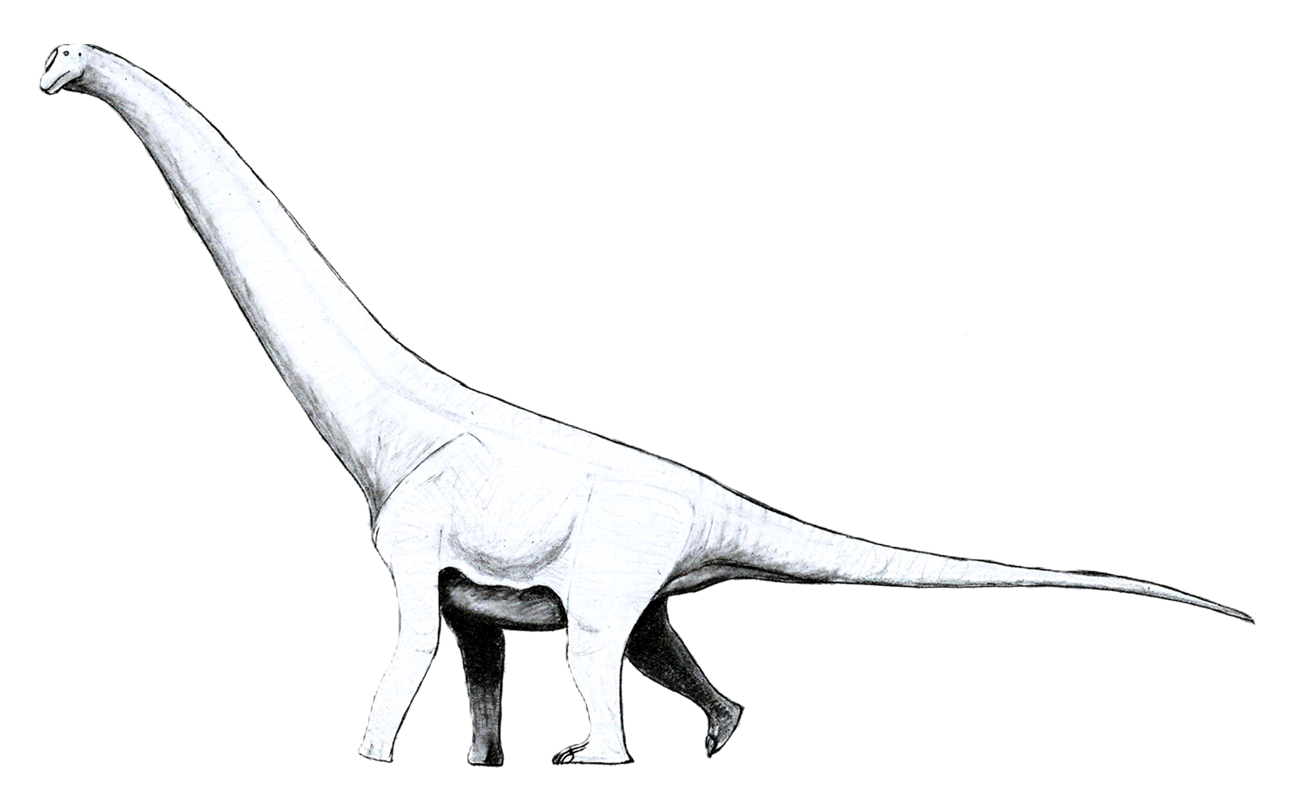
Atacamatitan lived in Atacama Desert (Chile).
Atacamatitan inhabited the region of present-day Antofagasta in northern Chile, where its fossils reveal a landscape very different from the modern desert. During the Cretaceous Period, the area likely supported plant communities and terrestrial habitats suitable for large herbivorous dinosaurs. The surrounding region formed part of ancient South America’s western margin, offering valuable clues about dinosaur distribution in this part of the continent.
Taxonomy
Select a rank to explore where Atacamatitan fits in the classification.