Allosaurus fragilis
Discover fascinating Allosaurus facts, including its size, diet, hunting techniques, Jurassic habitat, fossil discoveries, and how this powerful predator compares with Tyrannosaurus rex
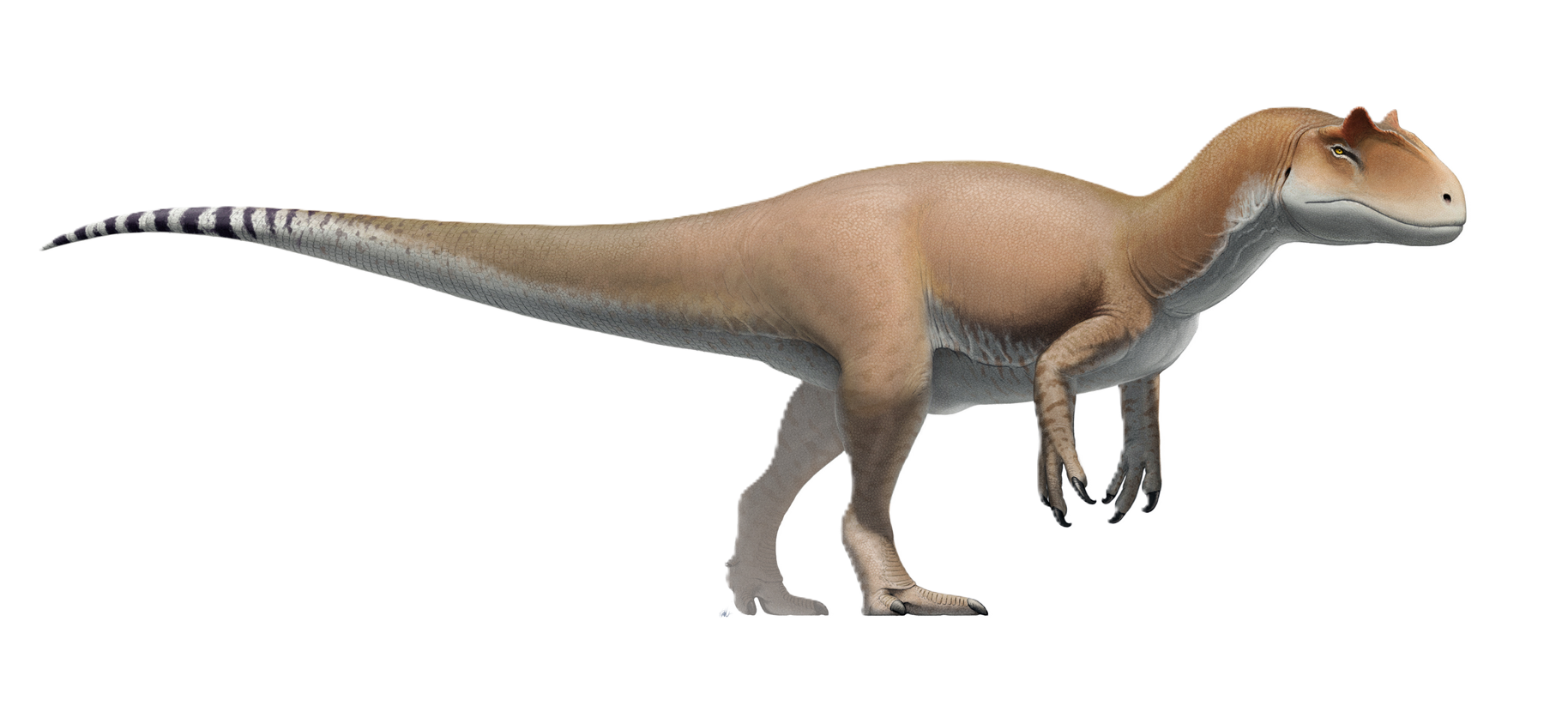
Allosaurus was a large carnivorous dinosaur that lived approximately 155 to 145 million years ago during the Late Jurassic Period. Its name means “different lizard,” referring to the distinctive structure of its vertebrae compared with those of other dinosaurs known when it was first described. It belonged to the theropod group, which included many meat-eating dinosaurs that walked on their hind legs. Allosaurus typically reached around 8 to 10 metres in length, although some specimens suggest that certain individuals may have grown larger. Its powerful hind legs supported its body, while its long, muscular tail helped maintain balance during movement. Its large skull contained strong jaws lined with numerous sharp, serrated teeth suited to cutting flesh. Unlike Tyrannosaurus rex, which lived tens of millions of years later, Allosaurus had relatively long forelimbs, each equipped with three clawed fingers that may have helped it grasp prey. Its skull also contained several openings that reduced its weight while providing space for muscles and other structures. These physical features made it a formidable predator in its Jurassic environment.
Allosaurus lived mainly in western North America, particularly in areas that are now Colorado, Utah, and Wyoming. Fossils attributed to this dinosaur have also been reported from Portugal, although the identification of some European specimens remains debated. During the Late Jurassic, much of western North America consisted of broad floodplains, river systems, forests, and seasonally dry areas. These environments supported a remarkable variety of prehistoric animals. Among the largest were plant-eating sauropods such as Diplodocus, Apatosaurus, and Camarasaurus, which had long necks, extended tails, and massive bodies. Allosaurus also shared its habitat with Stegosaurus, a distinctive herbivore recognised by the plates along its back and the spikes on its tail. The abundance of plant-eating dinosaurs provided potential food sources for this large carnivore. One of the most important fossil-bearing regions associated with Allosaurus is the Morrison Formation, a geological formation extending across several western American states. It preserves an exceptional record of Jurassic life and has helped scientists reconstruct ancient ecosystems. Numerous Allosaurus remains have been recovered from this formation, ranging from isolated bones and partial skeletons to remarkably complete specimens. These discoveries have made it one of the best-known large predators of its time.
As a carnivore, Allosaurus probably hunted a variety of animals, including smaller dinosaurs and young individuals of larger herbivorous species. It may also have fed on carcasses when opportunities arose. Its sharp teeth, strong neck muscles, and mobile skull were important adaptations for capturing and processing food. Scientists have proposed several possible hunting techniques, including delivering forceful bites that inflicted deep wounds on prey. Some researchers suggest that Allosaurus may have relied on repeated slashing bites rather than the sustained crushing bite associated with certain later tyrannosaurids. However, its exact hunting strategy remains uncertain because behaviour cannot be observed directly from fossils. Its strong hind legs suggest that it was capable of effective movement, although its precise running speed cannot be established confidently. Fossil bones reveal injuries and signs of healing, demonstrating that some individuals survived serious physical trauma. These remains provide clues about possible accidents, conflicts, and encounters with other animals. The discovery of multiple Allosaurus individuals at certain sites has also raised questions about whether they sometimes gathered together. However, concentrations of fossils alone cannot prove that these dinosaurs regularly hunted in coordinated groups.
Allosaurus is one of the most extensively studied large theropods from the Jurassic Period. Its abundant fossil record allows palaeontologists to investigate its anatomy, growth, injuries, and evolutionary history. Comparisons with later predators, particularly Tyrannosaurus rex, help scientists understand how carnivorous dinosaurs developed different body shapes and feeding adaptations over millions of years. Although both were powerful hunters, they lived at very different times and had distinct anatomical features. Allosaurus generally possessed a more lightly built skull and longer forelimbs relative to its body, whereas Tyrannosaurus rex was considerably heavier and had an exceptionally robust skull. Fossils from individuals of different sizes also help researchers investigate changes associated with growth and maturity. These findings provide a broader understanding of predator behaviour, health, and life history in the distant past.
Allosaurus lived in Colorado (USA), Utah (USA), Wyoming (USA), Lourinhã (Portugal), Andrés (Portugal).
Allosaurus inhabited landscapes that are now part of the western United States, where seasonal rivers and floodplains supported a wide variety of prehistoric animals. It also lived in parts of Europe during the Late Jurassic, with fossils attributed to Allosaurus discovered in Portugal. These regions supported abundant plant life and large herbivorous dinosaurs, providing potential food for this powerful predator. Its fossil remains help scientists reconstruct the ancient environments in which it thrived.
Taxonomy
Select a rank to explore where Allosaurus fits in the classification.