Albertosaurus sarcophagus
Discover fascinating facts about Albertosaurus, a powerful meat-eating dinosaur from Late Cretaceous Canada, including its size, hunting abilities, habitat, fossils, and relationship with Tyrannosaurus rex
Albertosaurus was a large meat-eating dinosaur that lived approximately 71 to 67 million years ago during the Late Cretaceous Period. Its name means “Alberta lizard,” referring to the Canadian province of Alberta, where its fossils were first discovered. It belonged to the tyrannosaurid family, which also included the famous Tyrannosaurus rex. However, Albertosaurus was generally smaller and more lightly built than its well-known relative. It could grow to around 9 meters in length and weigh approximately 1.3 to 2 tonnes. Its strong hind legs supported its body and helped it move efficiently while searching for food or pursuing prey. Its large skull contained powerful jaws lined with sharp, serrated teeth designed to grip and tear flesh. In contrast, its forelimbs were remarkably short and had only two functional fingers. Although these arms were small compared with the rest of its body, Albertosaurus was still a formidable predator, relying mainly on its strong hind legs, muscular jaws, and sharp teeth to capture and eat other animals. Its lightweight build may also have helped it move more efficiently than some of the larger tyrannosaurids.
Albertosaurus lived in western North America, particularly in what is now Alberta, Canada, where numerous fossil remains have been discovered. During the Late Cretaceous Period, this region looked very different from its modern landscape. Rivers flowed through broad floodplains, while wetlands and wooded areas provided habitats for many kinds of prehistoric animals. The relatively warm environment supported a variety of plants, which supplied food for herbivorous dinosaurs and other plant-eating creatures. These animals, in turn, provided potential prey for carnivorous dinosaurs such as Albertosaurus. It shared its environment with plant-eating dinosaurs, including hadrosaurs, commonly known as duck-billed dinosaurs, and ceratopsians, which included horned species. Other prehistoric reptiles, birds, and small animals also formed part of this ancient ecosystem. One of the most important fossil discoveries associated with Albertosaurus comes from Dry Island Buffalo Jump Provincial Park in Alberta, where the remains of numerous individuals were found together. This remarkable concentration of fossils has helped researchers investigate the dinosaur's growth, physical development, and possible behaviour. The discovery has also raised interesting questions about whether Albertosaurus sometimes gathered in groups. These fossil sites continue to provide valuable clues about the ancient ecosystems of North America.
Albertosaurus is important to science because its fossil remains help researchers understand the anatomy, growth, and evolution of tyrannosaurid dinosaurs. While many dinosaur discoveries consist of isolated bones or incomplete skeletons, Albertosaurus is represented by numerous specimens, including skulls and other important skeletal parts. Having remains from different individuals allows scientists to compare their physical features and investigate how their bodies changed as they grew older. For example, differences in skull shape, bone proportions, and overall size can help researchers distinguish younger individuals from mature adults. Such comparisons also provide clues about how these predators developed their hunting abilities throughout their lives.
Studying Albertosaurus alongside related dinosaurs helps palaeontologists understand how tyrannosaurids evolved and adapted to different environments. Its relationship with Tyrannosaurus rex is particularly fascinating because both belonged to the same dinosaur family but differed in size, body proportions, and other anatomical characteristics. Albertosaurus demonstrates that successful large predators did not all evolve the same body shape or hunting strategy. Its fossils also contribute to our understanding of the diversity of carnivorous dinosaurs that lived in North America during the Late Cretaceous. Although Albertosaurus disappeared long before the present day, its existence provides an important part of the story of dinosaur evolution.
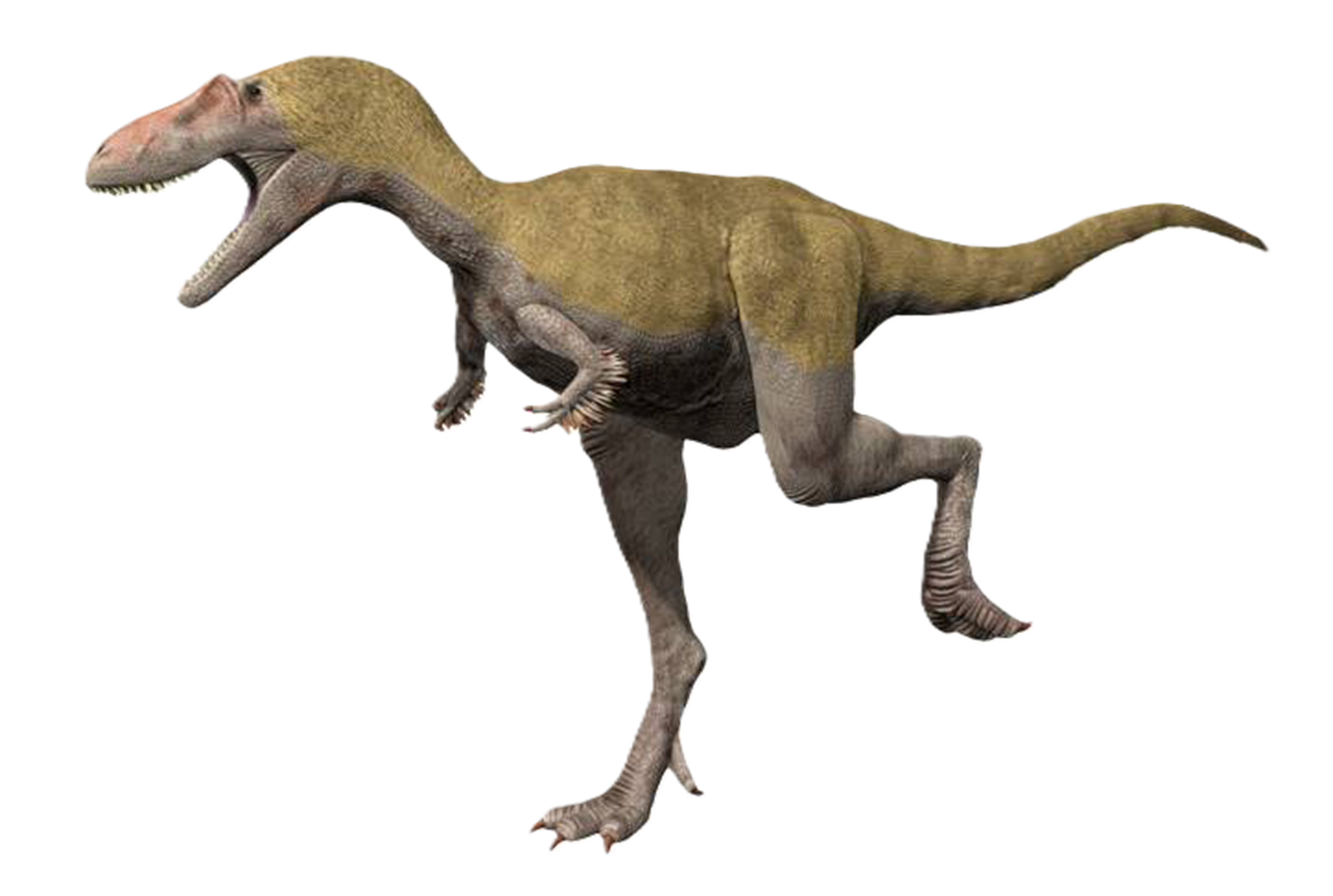
Albertosaurus lived in Alberta (Canada).
The Albertosaurus lived in western parts of North America, and it lived in the present-day province of Alberta in Canada. Fossils of the Albertosaurus have also been discovered in some other places in western Canada. The region that Albertosaurus once roamed was characterized by diverse flora and fauna because of the existence of forests and rivers.
Taxonomy
Select a rank to explore where Albertosaurus fits in the classification.